
Staff Member #1
Biography of instructor/staff member #1

Infracademy
Reduce wear and curve noise with effective rail lubrication and friction management to improve safety, comfort, and wheel–rail interface performance.
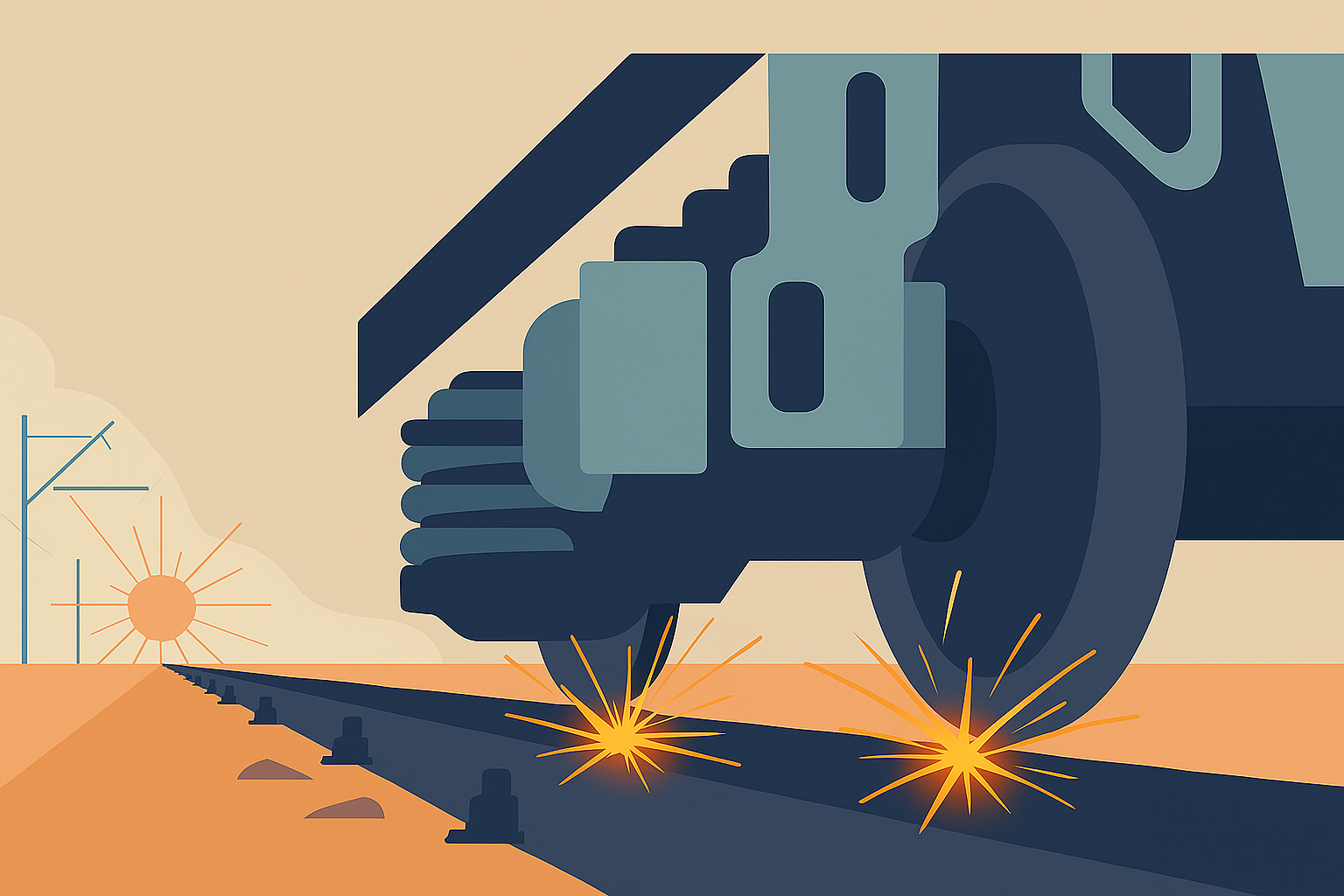
Friction management is essential for reducing wear, controlling noise, and improving safety across curved track sections, turnouts, and constrained urban environments. This course provides a clear and practical understanding of how rail lubrication and top-of-rail (TOR) friction modifiers work, how they influence wheel–rail interaction, and how correct application can dramatically reduce rail and wheel degradation. Learners explore wayside and on-board lubrication technologies, controller settings, nozzle placement, lubricant chemistry, adhesion effects, energy efficiency, and common failure scenarios such as over-lubrication, contamination, or improper calibration. Real-life good and bad practices drawn from metro, tram, high-speed, freight, and industrial networks provide direct operational insight. Delivered by experts deeply involved in friction management from technical, operational, and commercial perspectives, the course is ideal for track engineers, rolling stock teams, O&M managers, QA/QC personnel, procurement specialists, sales teams in lubrication and wheel–rail interface technologies, and students in mechanical, civil, and transportation engineering disciplines. By the end, participants will be able to evaluate lubrication technologies, diagnose curve noise issues, optimize system performance, and make informed decisions that improve safety, comfort, and asset longevity.
Add information about the skills and knowledge students need to take this course.
Biography of instructor/staff member #1
Biography of instructor/staff member #2
The Open edX platform works best with current versions of Chrome, Edge, Firefox, or Safari.
See our list of supported browsers for the most up-to-date information.
Your answer would be displayed here.